The day usually begins with a gentle, guided yoga session for all age groups. Mats are laid out in the hall or courtyard, and a trained yoga teacher leads the children through basic asanas, stretches, and breathing exercises suited to their age and health. Research on yoga programmes for orphan girls has found that even eight weeks of regular practice can significantly improve their quality of life, including physical, emotional, and social well‑being. Because many girls carry tension in their bodies from stress and past trauma, slow and mindful movements help them relax muscles, improve posture, and experience a sense of lightness and comfort they may not have felt before.
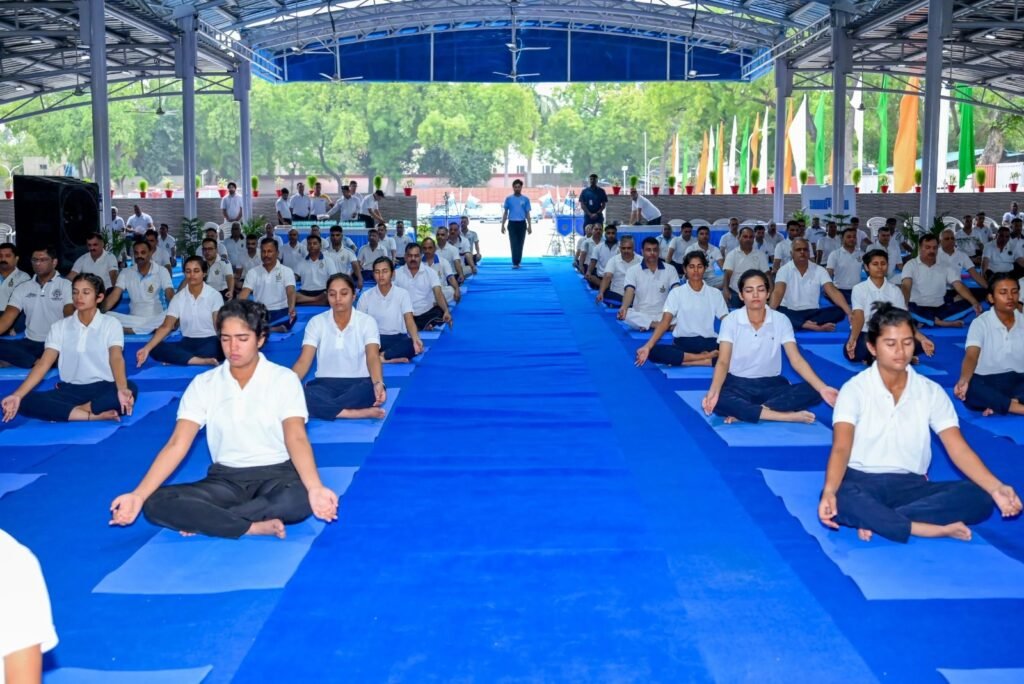
Breathing practices and relaxation are central to the day’s activities. Orphanage‑based studies note that pranayama and guided relaxation lower symptoms of anxiety and emotional distress in children and adolescents. Simple techniques like deep belly breathing, alternate‑nostril breathing, or counting breaths teach girls how to calm themselves when they feel scared or overwhelmed. These tools are especially valuable during exams, conflicts, or nights when painful memories make it hard to sleep. When a child realises she can slow her own breath and feel more peaceful, she begins to trust her inner strength.
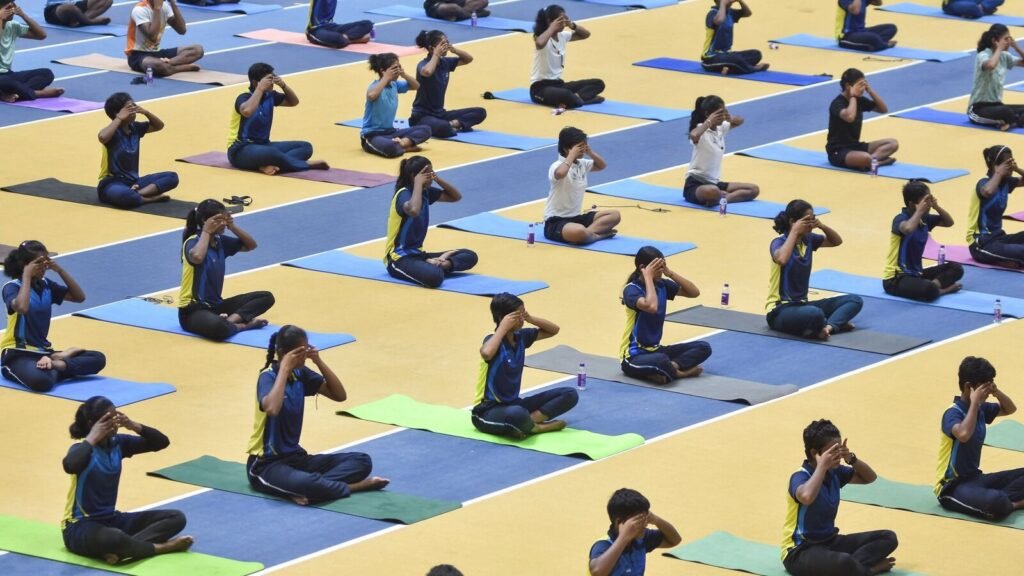
International Yoga Day is also an opportunity to make yoga joyful and child‑friendly. Many organisations working with orphaned girls use partner poses, group games, and creative sequences to keep children engaged. In the orphanage, the girls might form circles, try simple balance poses together, or practice “yoga stories” where each posture represents part of a story they act out. Such playful formats help break shyness, encourage teamwork, and show that yoga is not about perfection but about participation and fun. Laughter and giggles are welcomed, not suppressed, so that the day feels like a festival rather than a strict training session.
The celebration also includes reflection on why yoga matters for their lives. Mental‑health research increasingly recommends yoga as a low‑cost, accessible tool to support school‑aged children who struggle with stress, mood issues, or behavioural challenges. During International Yoga Day, staff explain in simple language how yoga can help them focus better in class, manage anger, and handle sadness without harming themselves or others. Older girls may share personal experiences how a short breathing practice helped during exams or how stretching relieved headaches from long study hours so that younger children see real examples from within their own home.
Creative activities often accompany the main session. Girls may prepare posters about yoga benefits, write small slogans, or take part in quizzes and storytelling about the origin and meaning of Yoga Day. Some homes invite guest instructors, local health workers, or volunteers to speak about healthy lifestyles, posture, and the importance of balancing screen time with physical movement. These activities deepen understanding while giving children chances to draw, write, speak on stage, and receive appreciation experiences that strengthen confidence and communication skills.
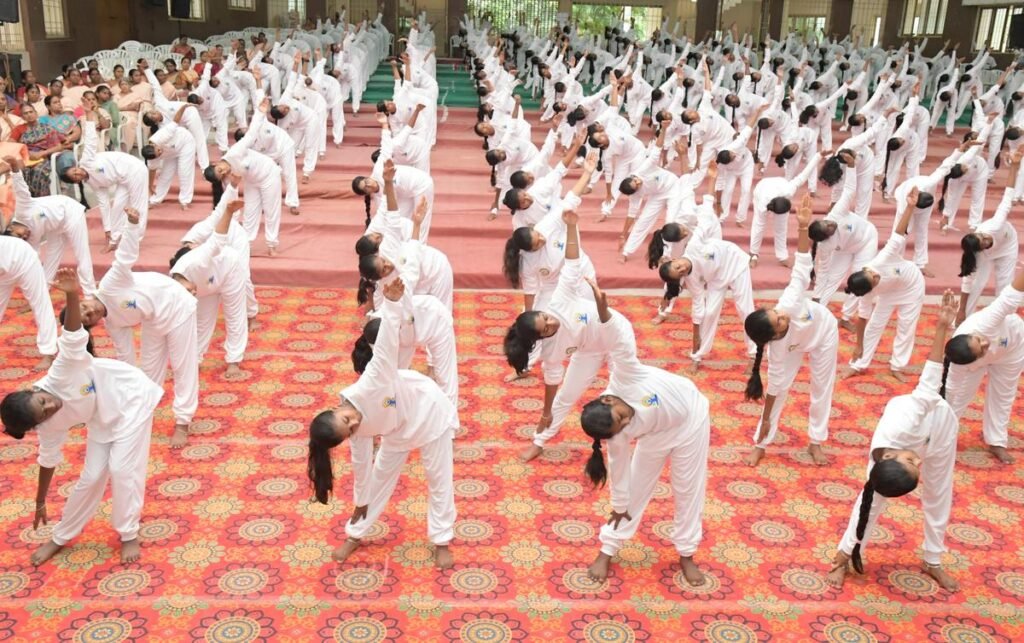
Importantly, International Yoga Day is not treated as a one‑time event. Evidence from multiple studies shows that consistent practice over weeks and months is what truly transforms mental health and behaviour among orphaned children. After the big celebration, the orphanage incorporates shorter yoga sessions into the weekly or daily routine: a few minutes of breathing before school, simple stretches during evening study, or a longer class once or twice a week. This continuity allows benefits like improved attention, better emotional regulation, and enhanced self‑image to grow steadily over time.
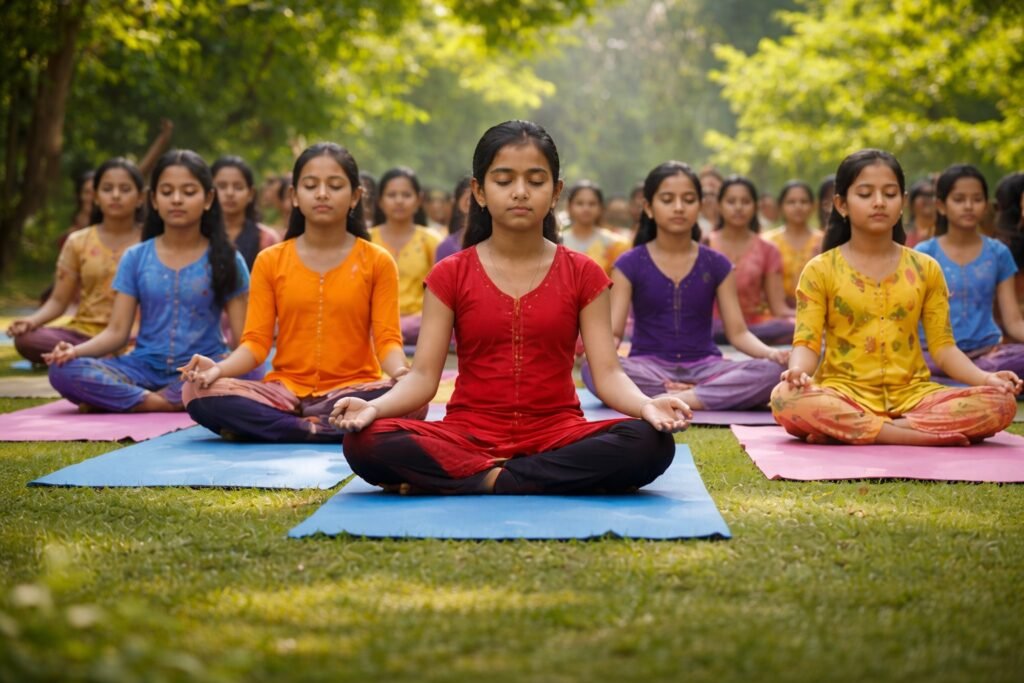
The day also carries a symbolic meaning that aligns closely with the home’s mission. International Yoga Day is celebrated worldwide to promote unity of body, mind, and spirit, and to remind people that inner peace leads to outer harmony. For girls who have experienced rejection or fragmentation of family, participating in a global event gives a feeling of belonging to something larger than their circumstances. When they stand together on their mats, following the same postures as children in schools and parks around the world, they see themselves not as “orphans,” but as strong young participants in a worldwide movement for health and peace.
Over the years, International Yoga Day can become a marker of growth. Staff may keep photos or notes from each year, and the girls can look back to see how far they have come perhaps from barely holding a pose to leading a group session, from restless fidgeting to calm meditation, from low confidence to standing on the stage explaining yoga to guests. In this way, the annual celebration turns into a tradition of self‑discovery and empowerment. It tells every girl in the home: “Your mind and body are powerful. With simple practices of breath, movement, and awareness, you can heal, grow, and face life with courage.”