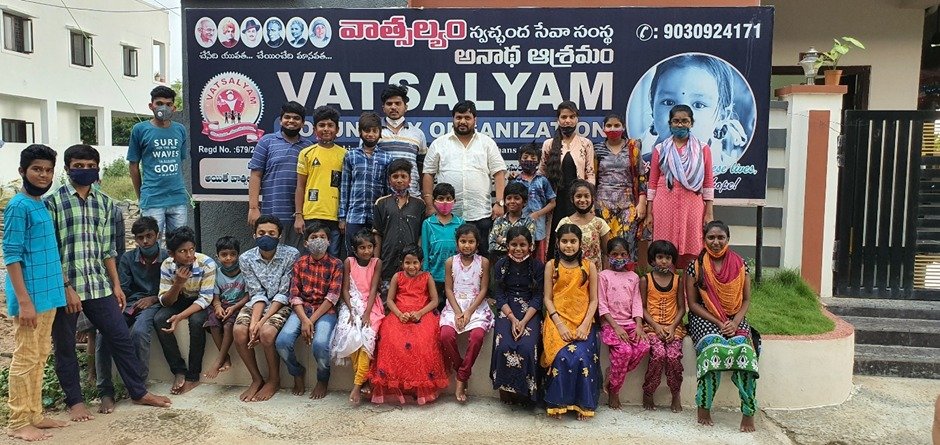
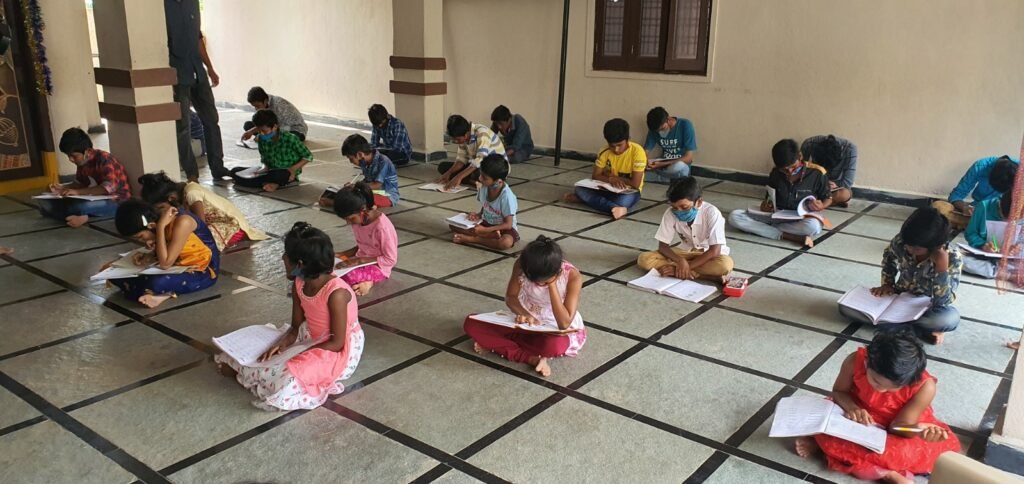
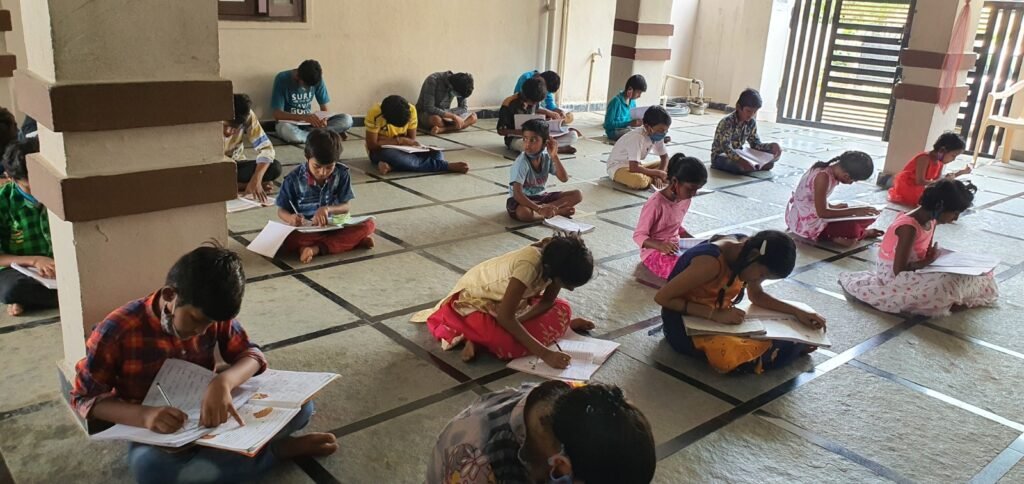
The Education Programme for the girls’ orphanage is designed to give every girl child the chance to break the cycle of poverty, neglect, and abuse through strong, value‑based education. It goes beyond paying school fees and supplying books; the programme focuses on academic learning, life skills, confidence‑building, and career readiness so that each girl can grow into an independent, dignified, and responsible citizen.
Vision and Purpose
The core vision of the Education Programme is that no girl in the orphanage should be left behind because of her background, trauma, or financial limitations. Every girl must receive continuous education from early childhood to higher education or vocational training, along with emotional support that helps her to study with focus and joy. The programme also aims to create a safe and inspiring learning environment inside the orphanage, where education is seen not as pressure but as an opportunity to discover talents and dreams. By doing this, the orphanage becomes not just a shelter, but a learning home that prepares girls for the real world.
Target Group
This programme is dedicated to orphaned, semi‑orphaned, and vulnerable girls who reside in the home and usually come from backgrounds of poverty, abandonment, abuse, or family crisis. Many of them may have had irregular schooling, learning gaps, or emotional trauma that affects their concentration and confidence in studies. The target age group typically ranges from early childhood (3–5 years) up to 18 years, with special support for older girls who pursue higher secondary education, college, or vocational courses. The programme recognises that girls at each age have different academic and emotional needs, so interventions are customised accordingly.
School Enrollment and Support
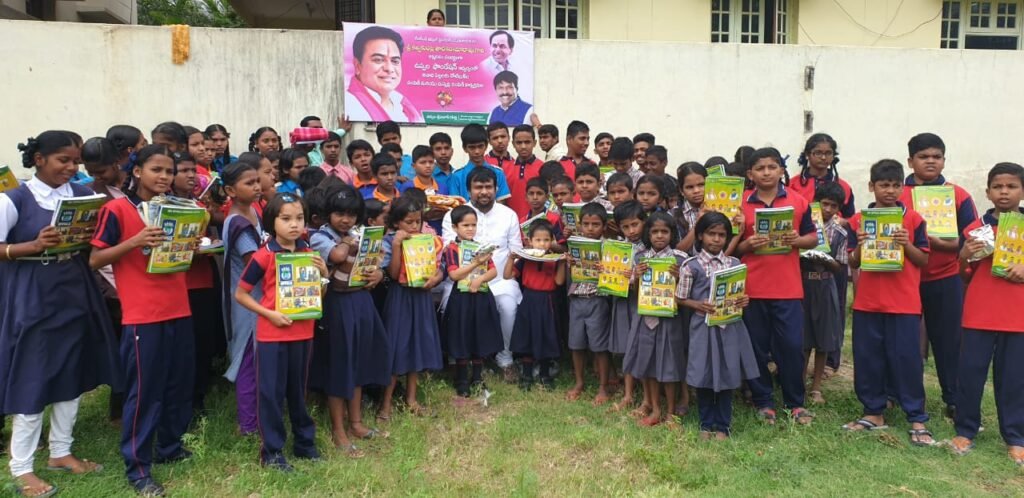
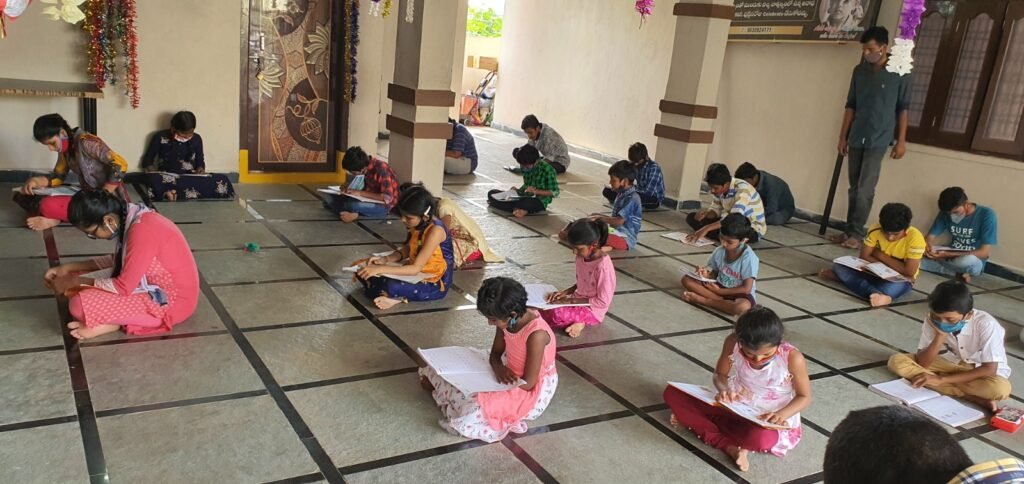
Every girl is enrolled in a nearby quality school which may be English‑medium or regional‑medium depending on her background and ability. The programme covers school admission fees, tuition fees, uniforms, shoes, school bag, textbooks, notebooks, stationery, and examination fees so that no financial barrier stops her from studying. Staff and volunteers maintain close coordination with school authorities and class teachers to monitor attendance, homework completion, classroom behaviour, and examination performance. Regular parent‑teacher‑style meetings are held where caregivers from the orphanage meet teachers and discuss each girl’s progress and challenges.
Life Skills and Value Education
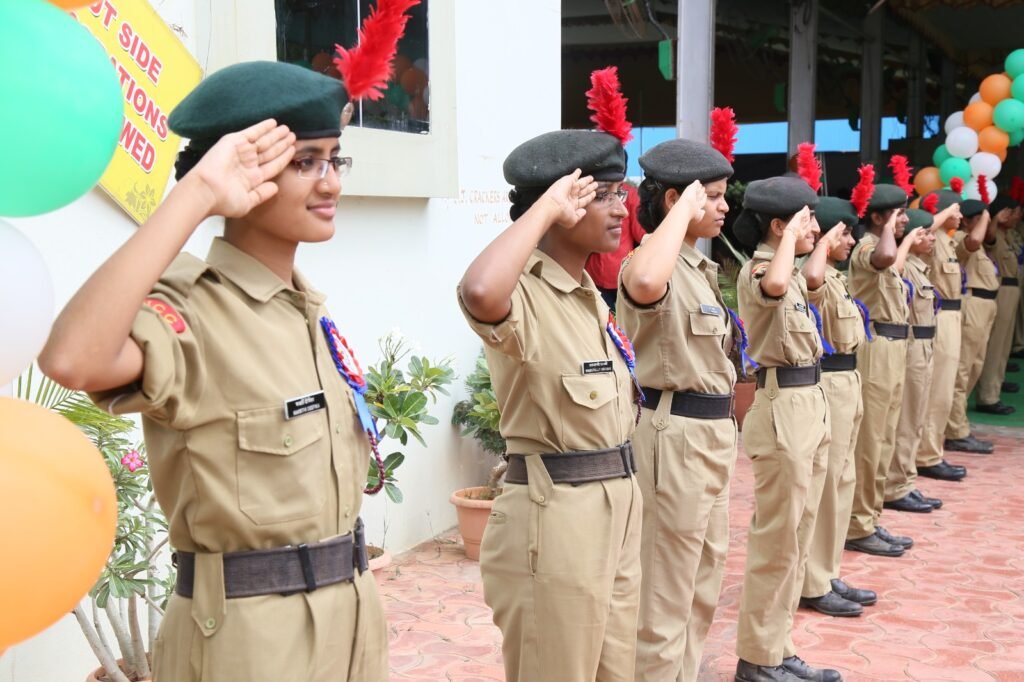
Education in the orphanage emphasises life skills such as communication, teamwork, problem‑solving, self‑awareness, and goal setting. Regular workshops are held on topics like personal hygiene, menstrual health, mental well‑being, time management, conflict resolution, and safe relationships. Value education sessions draw from inspiring stories, national role models, and everyday situations to teach honesty, respect, compassion, responsibility, and leadership. Girls are encouraged to take small responsibilities in the home (like library management or class leadership), which strengthens their sense of ownership and discipline.
Health and Nutrition Support for Better Learning
The programme integrates basic health and nutrition awareness because a child who is hungry or sick cannot learn effectively. Regular health check‑ups, de‑worming, vaccination tracking, and vision screenings are coordinated with local doctors and health centres. Nutritious meals, evening snacks, and where possible, a glass of milk or fortified drink before school help improve concentration, physical growth, and immunity. Girls receive simple education on hand‑washing, oral hygiene, balanced diet, and physical exercise, linking good health to better academic performance.
Career Guidance and Higher Education Support
As girls reach class 9 and above, they need guidance to choose subjects, streams, and future careers based on their interests and strengths. The programme conducts career counselling sessions, aptitude tests, and interactions with professionals from fields such as nursing, teaching, IT, social work, hospitality, and entrepreneurship. Scholarship information, application support, and financial planning are provided so that deserving girls can continue into college or vocational training without dropping out due to cost. Alumni role models are invited to speak and mentor younger girls, showing them real‑life examples of success through education.