Lorem ipsum dolor sit amet, consectetur adipiscing elit. Ut elit tellus, luctus nec ullamcorper mattis, pulvinar dapibus leo.
Purpose and Vision
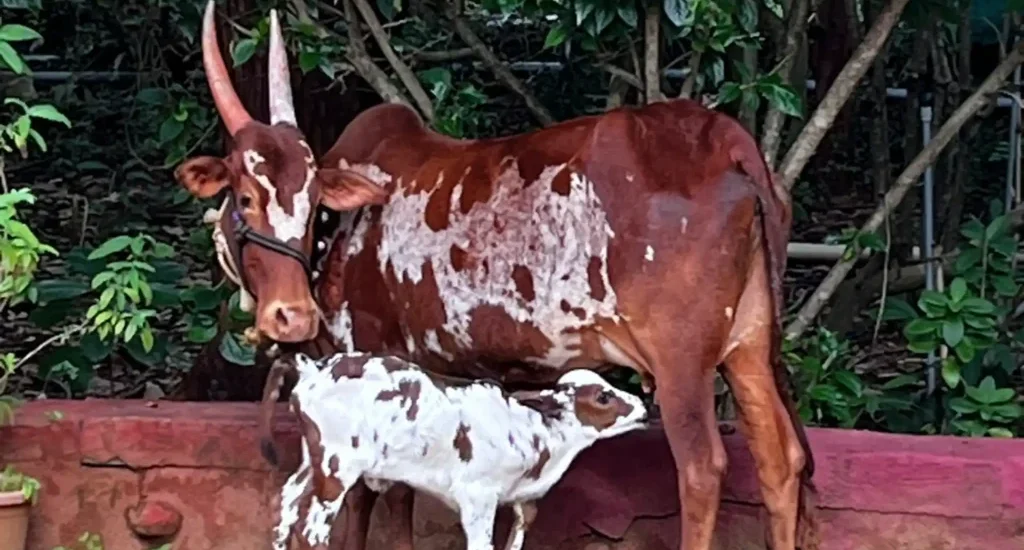
Gaushalas in India traditionally exist to provide safe refuge for abandoned, sick, and non‑milking cows that might otherwise suffer on the streets or be sent for slaughter. By hosting a modest goshala within or near the orphanage, the institution extends its culture of care from vulnerable children to vulnerable animals, sending a strong message of non‑violence and compassion. The vision is to turn the goshala into a “living classroom” where girls learn about empathy, environmental protection, and simple rural technologies, not just from books but through regular, hands‑on interaction with the animals. This helps shape them into sensitive, responsible citizens who value life in all forms.
Cow Welfare and Shelter Management
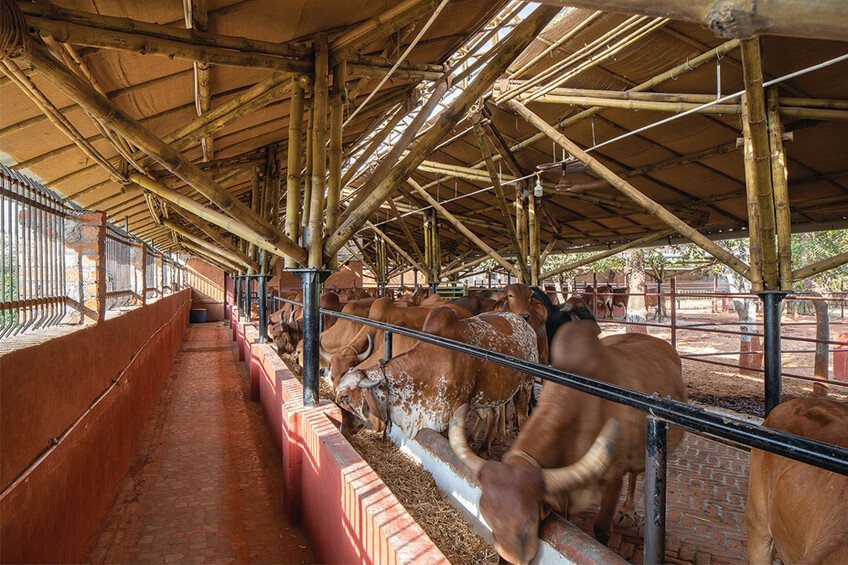
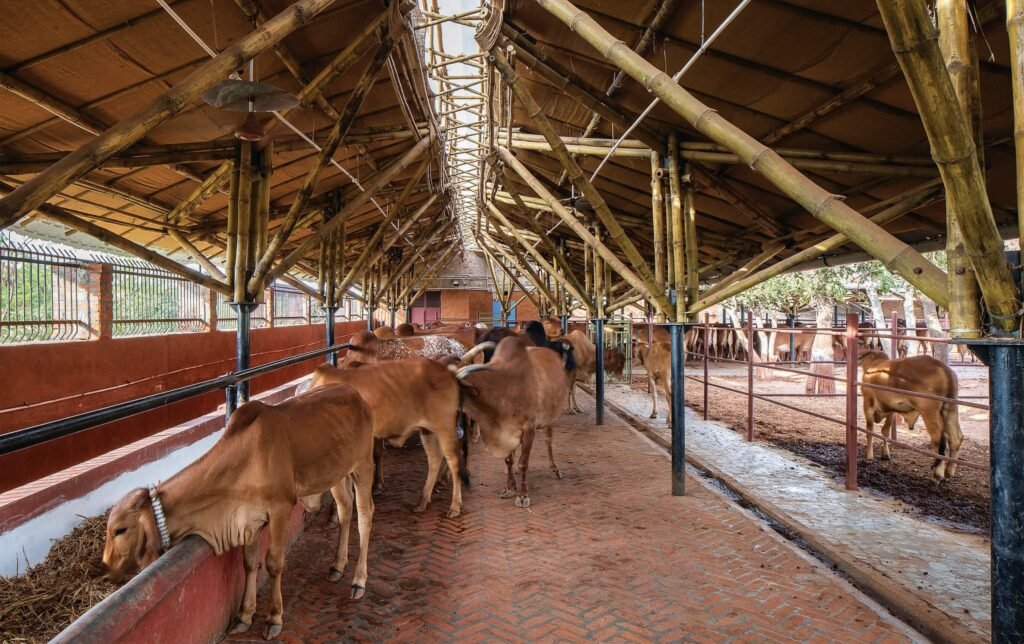
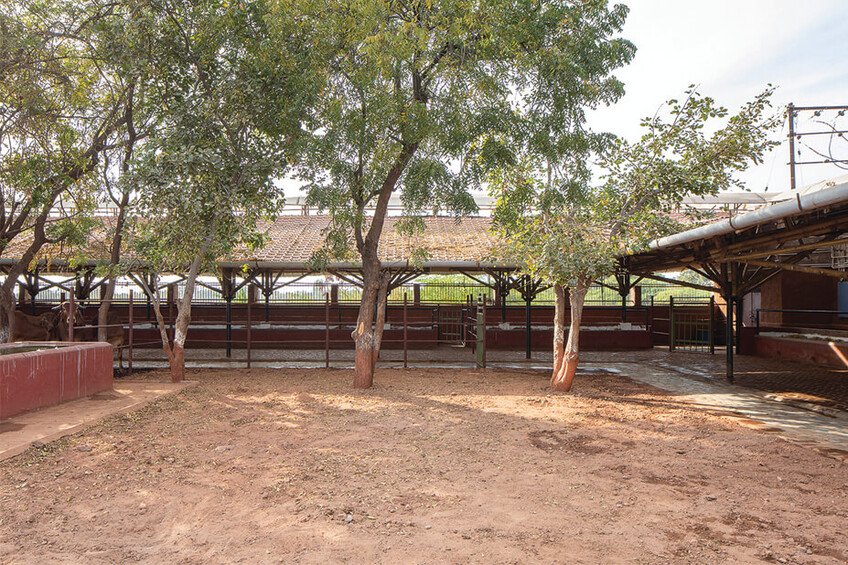
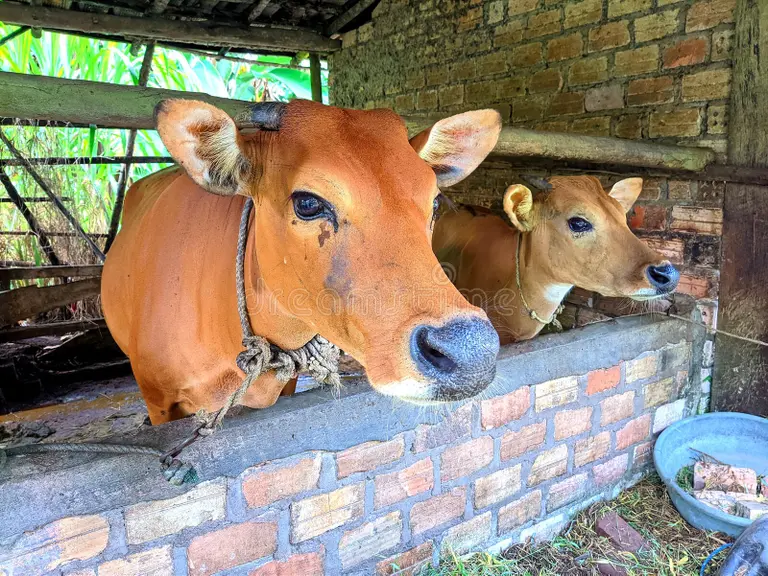
Cows in the goshala are given proper housing, clean resting areas, shade, and free movement in an open paddock so they can walk, graze, and rest comfortably. Adequate feeding, watering, and regular veterinary care are central responsibilities, with special attention to weak, old, or injured animals that need extra support. Basic management follows guidelines from gaushala manuals, including regular cleaning of sheds, safe storage of fodder, dung‑pit management, and disease‑prevention practices such as vaccinations and de‑worming. This ensures that the cows remain healthy and the area stays hygienic for both animals and children.
Education and Character Building for Girls
Girls participate in age‑appropriate tasks such as cutting grass, filling water troughs, cleaning feeding vessels, and gently grooming the cows under adult supervision. They learn to approach animals calmly, understand body language, and overcome fear, which builds confidence and emotional balance. Structured educational sessions in the goshala cover topics like animal behaviour, indigenous cattle breeds, basic nutrition for cows, and the role of cows in traditional agriculture and village life. Activities such as “cow darshan and feeding” or guided meditation in the peaceful environment of the cowshed are used to promote mindfulness and reduce stress among the girls.
Environmental and Practical Benefits
Cow dung and urine from the goshala are used to prepare organic manure and, where possible, biogas, demonstrating eco‑friendly ways of handling waste and reducing dependence on chemical fertilisers and fossil fuels. A small kitchen garden enriched with cow‑based manure helps supply vegetables and herbs for the Annapurna Programme, closing the loop between food, soil, and animal care. These practices teach girls the basics of sustainable agriculture, waste recycling, and climate‑friendly lifestyles. In areas where regulations and resources allow, surplus dung products like compost or diyas may also be sold locally to support the goshala’s running costs.
Spiritual, Cultural, and Emotional Dimension
For many communities, cows hold a special cultural and spiritual significance as symbols of motherhood, nourishment, and gentleness. Respectful rituals such as simple aarti, festival decorations, or gratitude ceremonies around the cows are integrated carefully without compulsion, helping girls appreciate cultural heritage while maintaining inclusiveness. Interacting regularly with calm animals in a natural setting has recognised therapeutic benefits, including reduced anxiety and improved mood. For girls who have experienced trauma or loss, the unconditional presence of animals can provide a unique form of comfort and emotional healing.
Community Outreach and Awareness
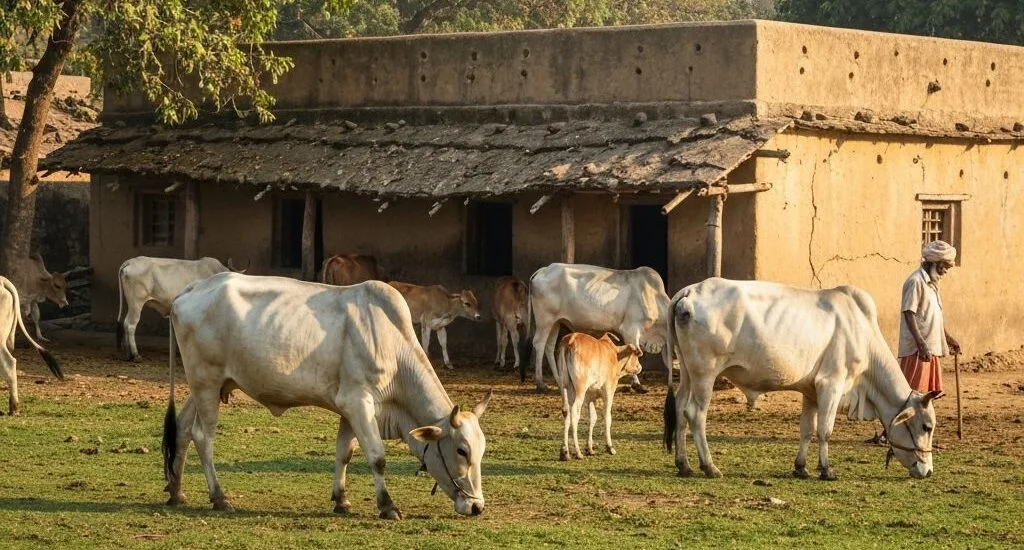
The Goshala Programme also serves as a platform for community education on animal welfare, responsible ownership, and the environmental benefits of protecting cows and other livestock. School groups, volunteers, and local families can visit the goshala, attend short sessions on humane treatment of animals, and participate in feeding or cleaning activities. Such outreach reduces cruelty towards animals in the surrounding area and positions the orphanage as a hub for compassion‑based education. It demonstrates that an institution caring for orphan girls can simultaneously champion broader social and environmental ethics, inspiring donors and partners to support both child welfare and animal welfare initiatives.