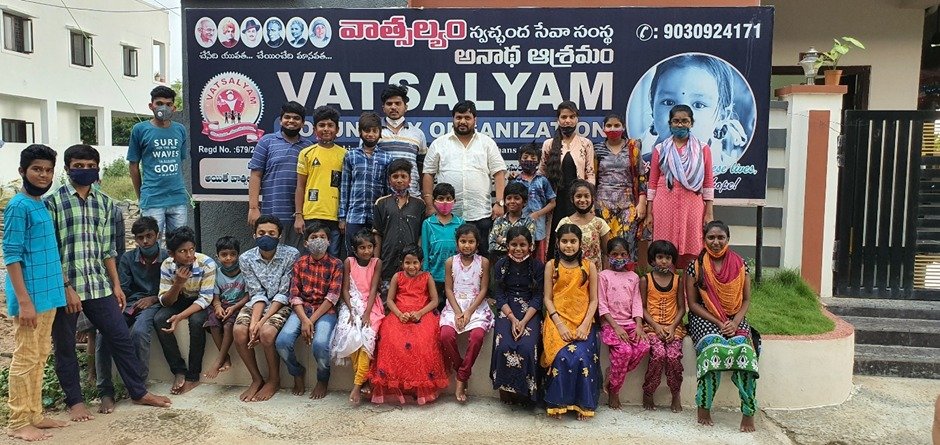
The Annapurna Programme ensures that every child receives regular, wholesome meals so that no girl studies or sleeps on an empty stomach. Inspired by successful nutrition initiatives like the Annapoorna Morning Nutrition Programme and mid‑day meal models in India, it focuses on fighting hidden hunger, improving health, and boosting learning outcomes.
Purpose and Nutrition Goals
Many orphaned and vulnerable girls arrive underweight, anaemic, or stunted because of years of poor diet. The Annapurna Programme aims to correct this by providing balanced food rich in energy, protein, vitamins, and minerals through breakfast, lunch, evening snacks, and dinner as resources permit.The goals are to maintain normal growth for each girl, reduce anaemia and frequent illness, improve concentration in school, and build a positive relationship with food. It also teaches girls lifelong habits of healthy eating and hygiene so they can care for themselves and their future families.
Daily Meal Plan and Menu
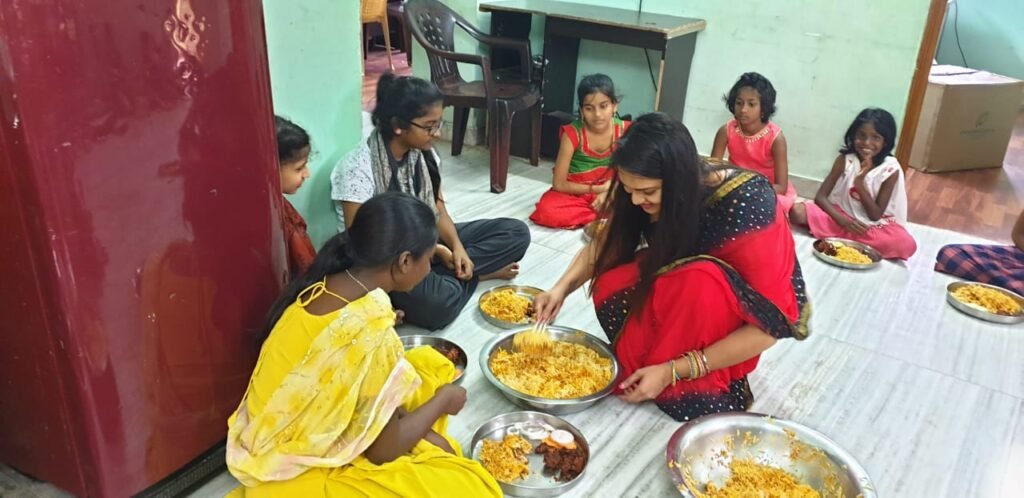
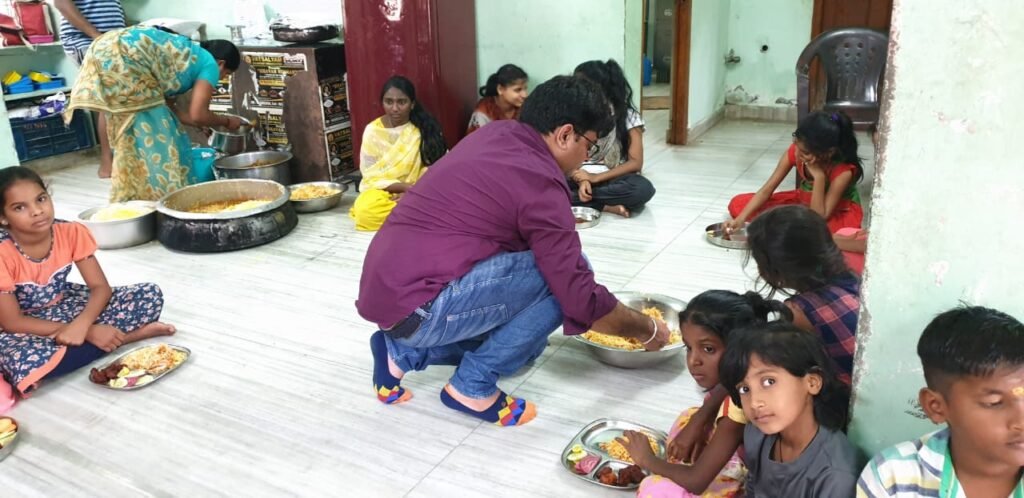
Meals are designed using simple, locally available ingredients similar to successful school nutrition and mid‑day meal schemes. A typical day might include a hot breakfast (idli, upma, poha, or millet porridge), a hearty lunch with rice or roti, dal, vegetables, and curd, an evening snack like fruits or sprouts, and a light but nutritious dinner.Where resources allow, a fortified health mix or millet‑based drink similar to SaiSure is served in the morning to tackle micronutrient deficiencies. Eggs, milk, groundnuts, or soy products are added several times a week to improve protein intake, especially for growing adolescents.
Health, Hygiene, and “Hidden Hunger”
The programme addresses hidden hunger deficiency of essential vitamins and minerals even when a child looks adequately fed. Menus are planned to include green leafy vegetables, seasonal fruits, and iron‑rich foods like lentils and jaggery to combat anaemia, which is common among girls.Kitchen and dining hygiene follow guidelines similar to those used in large school meal projects, with emphasis on clean water, hand‑washing with soap, and safe food storage. Regular de‑worming and basic health check‑ups are linked with the nutrition plan so that the body can absorb nutrients effectively.
Community Kitchens, Donors, and Partnerships
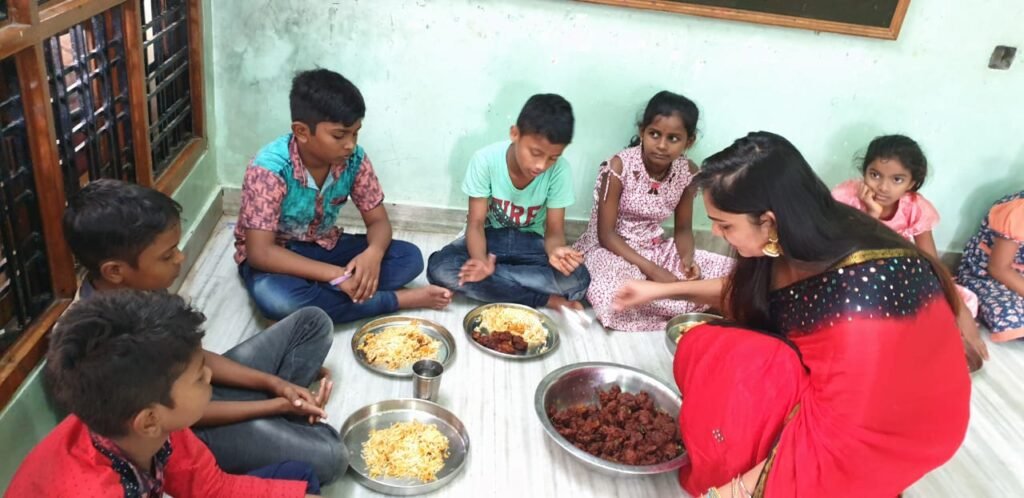
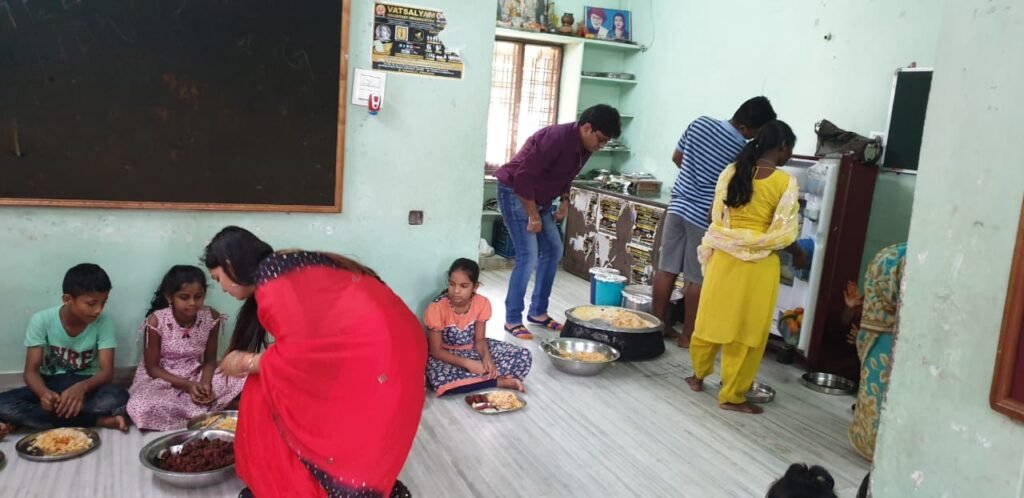
To sustain the programme, the orphanage partners with local donors, community kitchens, and sometimes larger NGOs that specialise in food and education. Corporate CSR teams, temples, hotels, and farmer groups may contribute provisions, cooked food, or funds to sponsor daily or festival meals. Models such as Annapoorna Breakfast and Akshaya Patra demonstrate how decentralised kitchens, local vendors, and volunteers can work together to serve thousands of children daily; the orphanage adapts these ideas at a smaller scale. Donors receive transparent reports on the number of meals served and improvements in children’s health and school attendance.
Education and Involvement of Girls
Nutrition sessions teach girls about food groups, balanced plates, the importance of breakfast, and safe drinking water. Older girls help in simple tasks such as vegetable cleaning, serving, and maintaining cleanliness, which builds responsibility and respect for food. Kitchen‑garden activities, if space allows, let girls grow vegetables or herbs, helping them understand where food comes from and encouraging them to eat more vegetables. Celebrating “nutrition days” with posters, skits, and recipe demonstrations keeps interest high and reinforces key messages.
Monitoring Impact
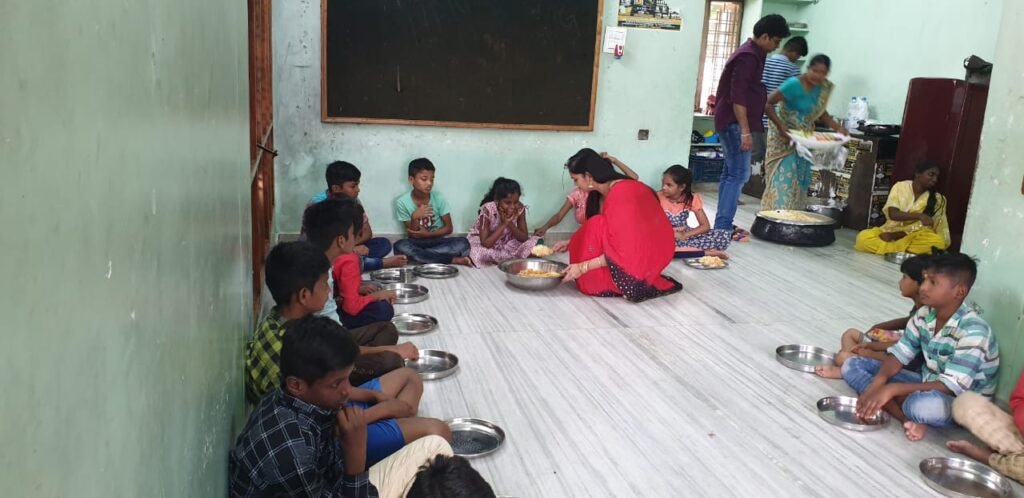
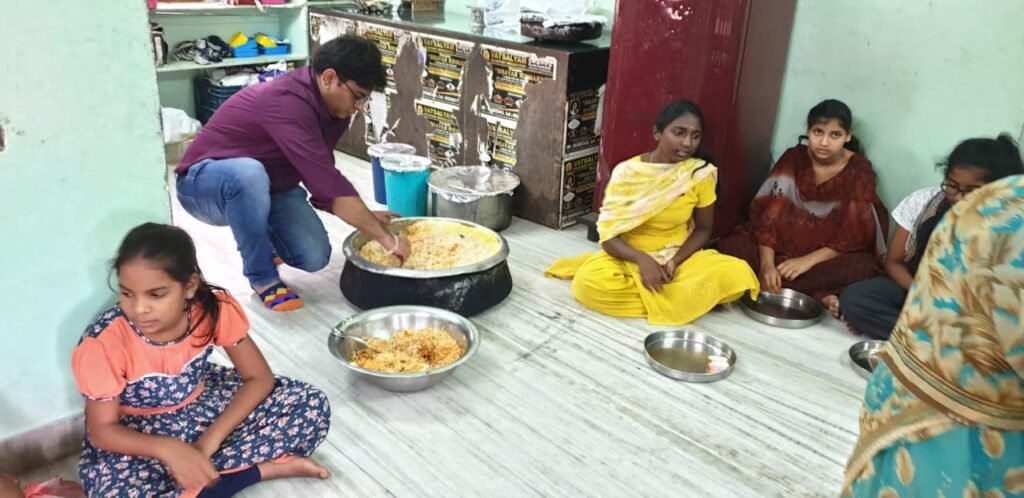
The orphanage records each girl’s height, weight, and basic health indicators at regular intervals to monitor progress. Improved appetite, better attendance, more energy for play and study, and fewer sick‑days are taken as signs that the Annapurna Programme is working well. Feedback from girls about taste and variety is also collected so menus can remain both nutritious and enjoyable. Over time, the programme aims to ensure that every girl grows into a healthy, confident young woman whose future is not limited by malnutrition.