Blood Donation Program
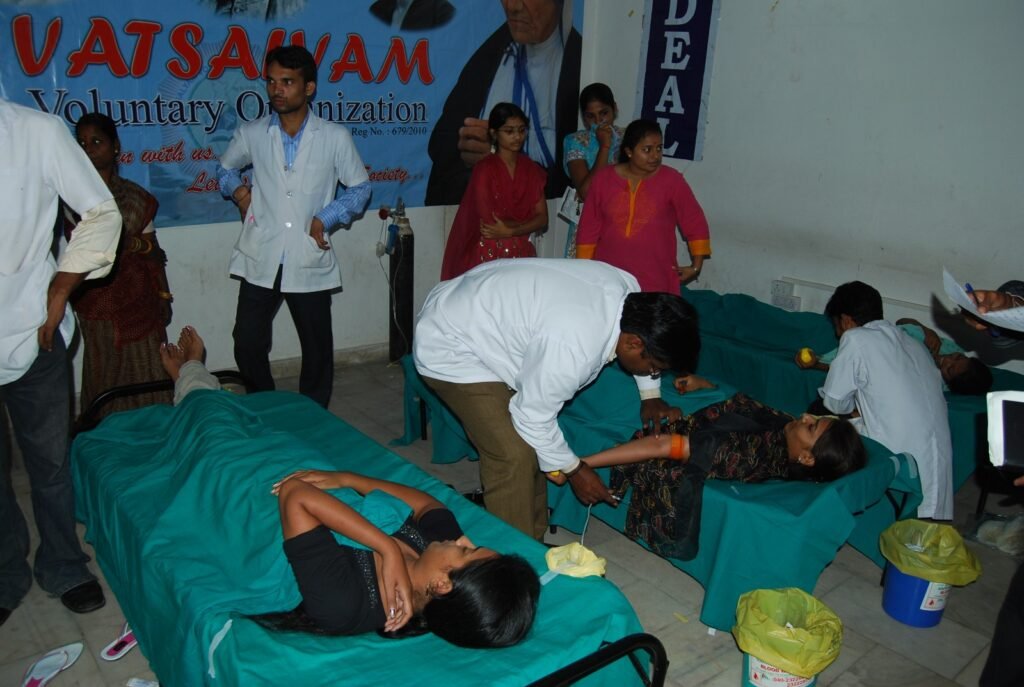
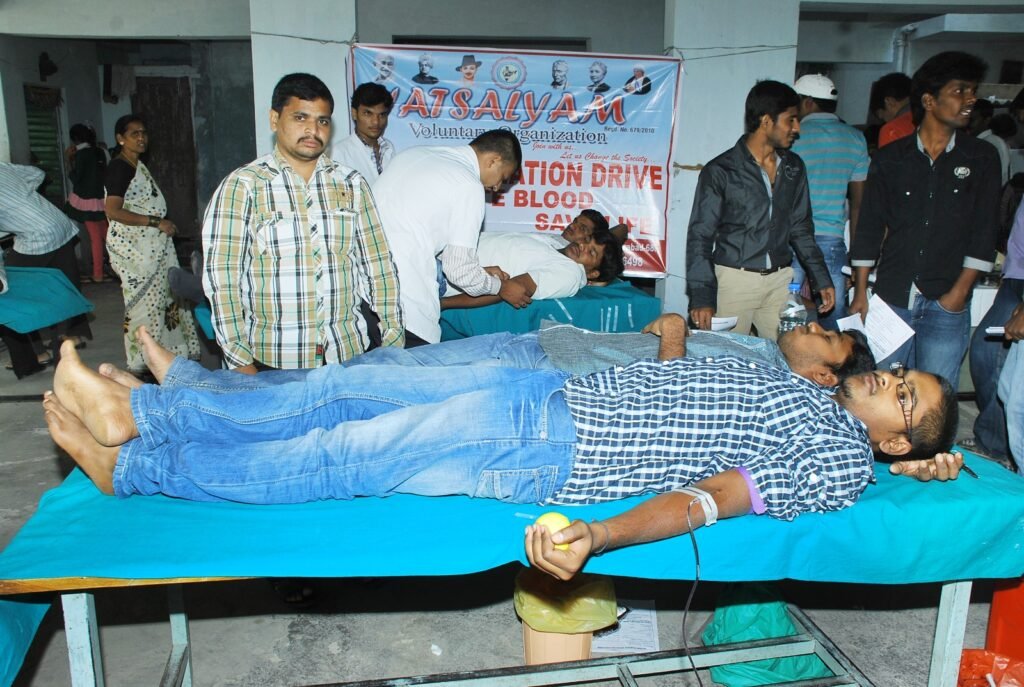
The Blood Donation Programme of the girls’ orphanage serves as a bridge between the compassion of the community and the urgent health needs of children, women, and other vulnerable patients. Through the organization of regular voluntary blood donation camps, the orphanage supports nearby hospitals and blood banks in maintaining safe and sufficient blood supplies. These efforts ensure that lifesaving blood is available when emergencies arise. At the same time, the programme instills in the girls powerful values of service, empathy, and social responsibility. By witnessing and participating in these acts of kindness, they learn that humanity and giving can truly save lives.
.
The initiative also serves as a health‑education platform, where girls learn basic facts about blood, the need for voluntary donation, and how safe blood saves lives in emergencies like anaemia, thalassemia, postpartum haemorrhage, and major injuries. This exposure builds scientific awareness and fights myths and fear surrounding blood donation.
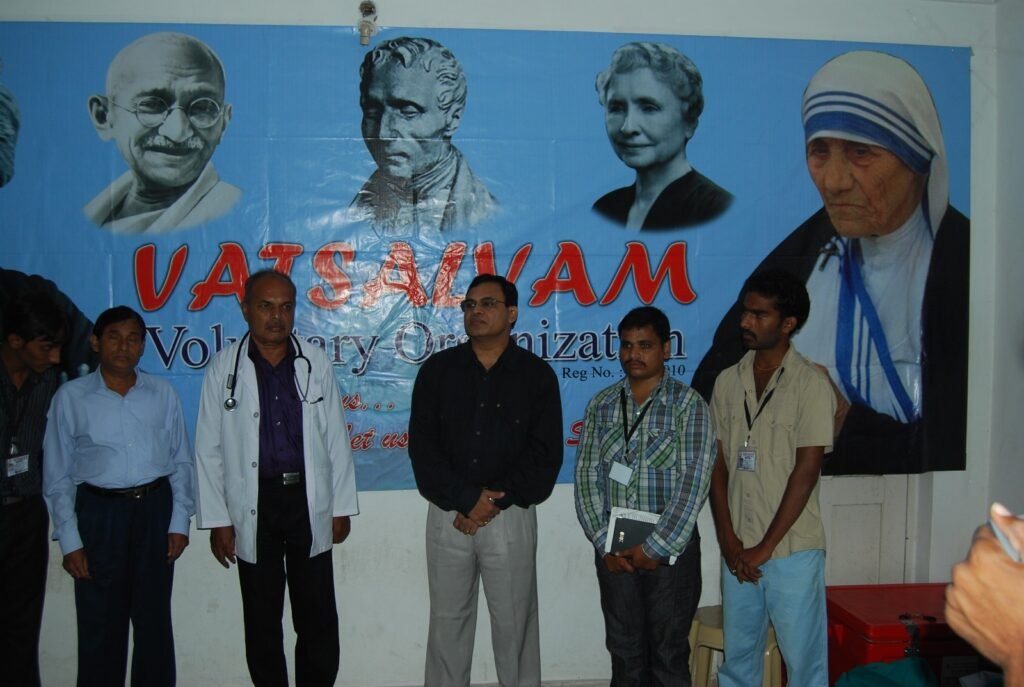
Objectives of the Programme
The Blood Donation Programme is guided by clear objectives that align closely with national goals for voluntary blood donation. It actively supports government and Red Cross blood banks by encouraging and mobilizing regular, voluntary, non-remunerated donors from the local community. By building a dependable network of compassionate donors, the programme strengthens the overall blood supply system. At the same time, it ensures that whenever a girl or staff member of the orphanage requires blood, safe and timely units are available through trusted partner blood banks. This approach not only saves lives in critical moments but also fosters a spirit of solidarity, preparedness, and community responsibility.
Educating youth, donors, and the wider community about voluntary blood donation is essential to building a safe and reliable blood supply. This initiative focuses on spreading awareness about the life-saving impact of donating blood regularly and selflessly. By encouraging voluntary donations instead of paid or replacement donors, it promotes a culture of compassion, responsibility, and trust. Through awareness sessions, campaigns, and community engagement, people learn that a single donation can save multiple lives. Over time, this understanding helps create a committed group of regular donors who give not out of obligation, but out of genuine care for others.
Planning and Organising Blood Donation Camps
Camps are generally organised two to four times a year depending on the needs of partner blood banks and the capacity of the orphanage to mobilize donors. Planning begins weeks in advance with discussions about target number of units, date, venue, and logistics such as beds, refreshments, and medical equipment. The blood bank provides trained doctors, technicians, counsellors, and necessary equipment; the orphanage provides space, publicity, volunteer support, and hospitality. Camps may be held within the orphanage campus, in collaboration with colleges, corporate offices, or community halls to reach a larger donor base.