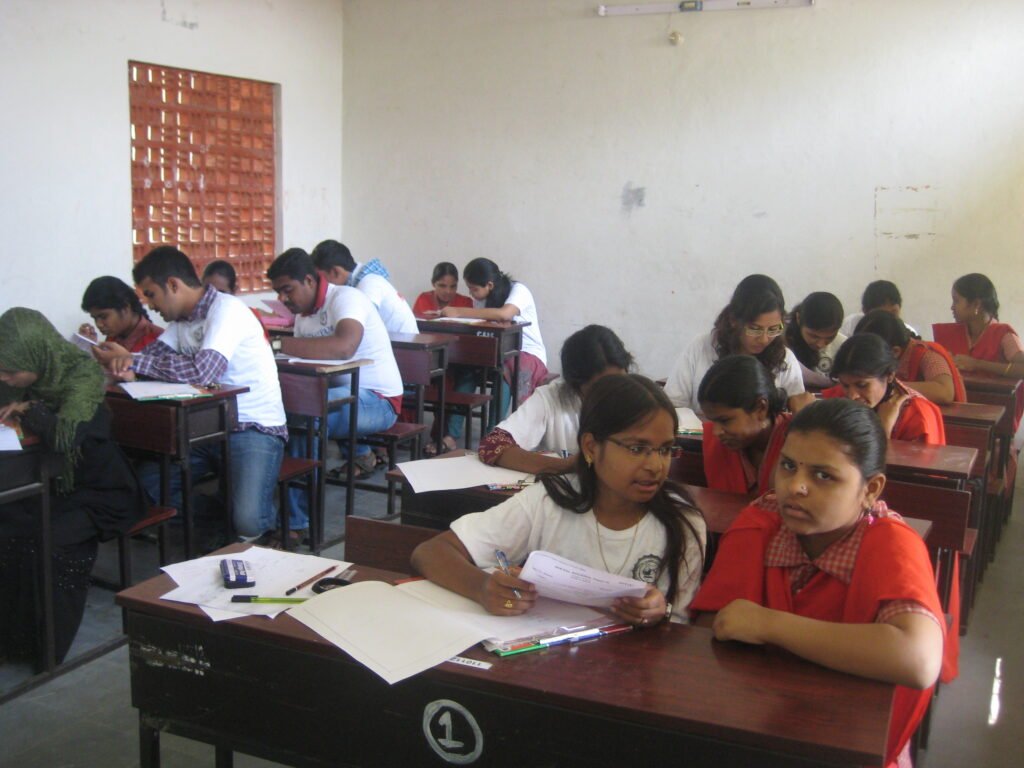
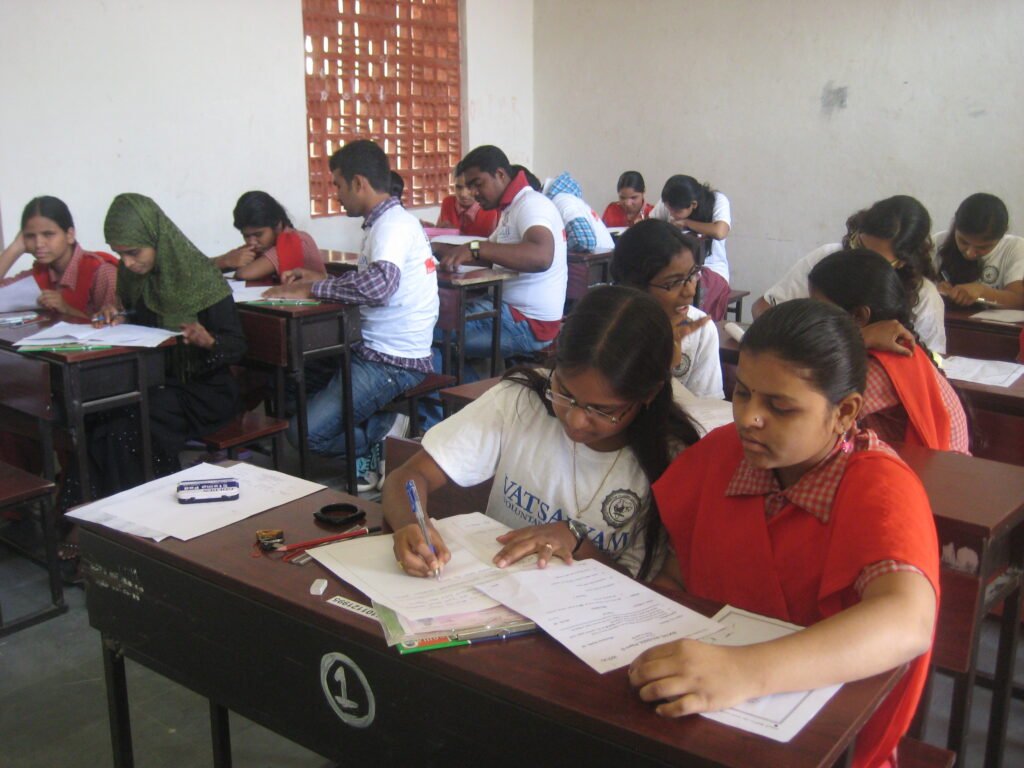
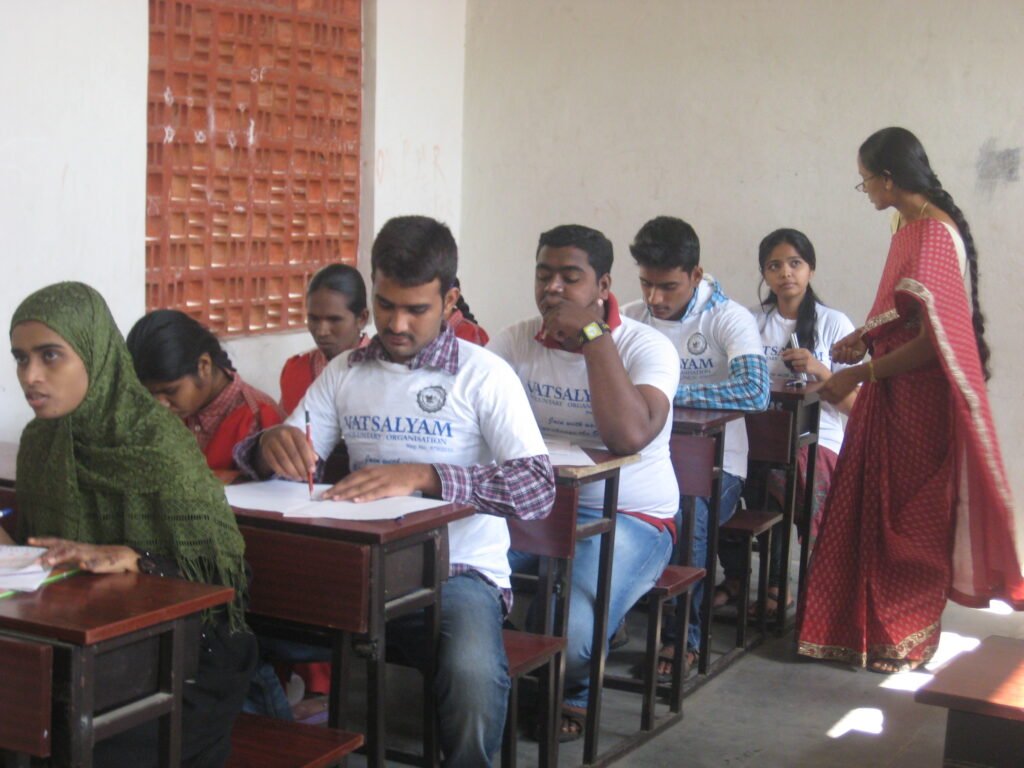
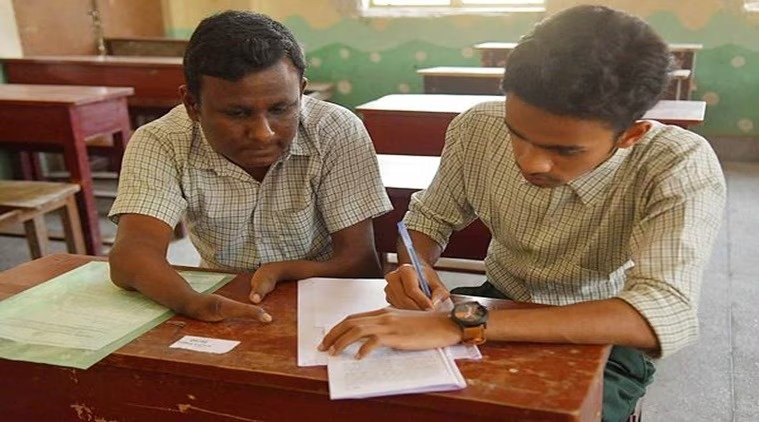
The Scribe Programme ensures that girls in the orphanage who have visual, physical, or learning difficulties can write examinations smoothly with the help of trained volunteers. It protects their right to education by giving them equal opportunity to appear for school, college, and competitive exams without fear or disadvantage.
Purpose and Need
Some girls may have low vision, motor disabilities, or specific learning disabilities that make it hard to read question papers or physically write answers. Without support, they can fall behind, repeat classes, or even drop out, despite having the intelligence to succeed. The programme recognises these challenges and provides structured scribe support so that the child’s performance is judged on knowledge, not on disability or physical limitation. It follows national guidelines that promote inclusive education and allow students with disabilities to use a scribe and get extra time in examinations.
Ensuring Equal Access to Education
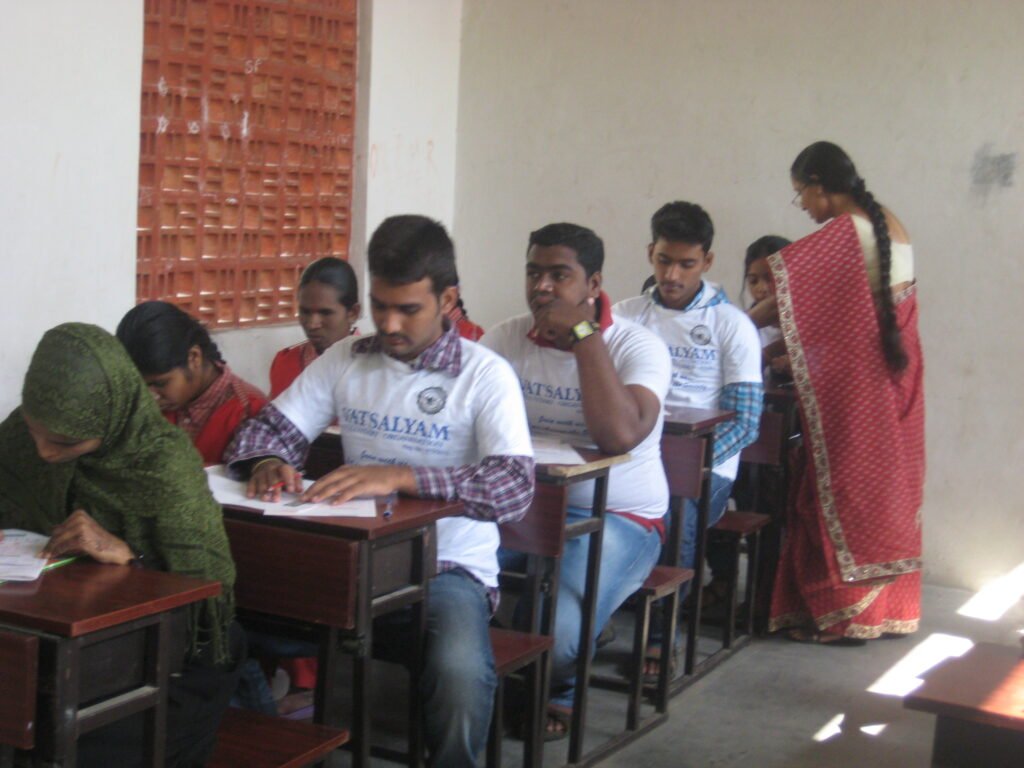
The Scribe Programme is built on the belief that no girl should be denied an education because of physical, visual, or learning challenges. For many students, examinations can be a source of fear and anxiety not because they lack knowledge, but because they need assistance to express it on paper. This programme provides trained, sensitive volunteers who act as scribes, enabling girls to write exams with confidence, dignity, and clarity. The Scribe Programme operates with strict safeguards to protect both the girl and the volunteer. Scribes sign a code of conduct promising confidentiality, impartiality, and adherence to examination rules, and they are never allowed to help with answers or explain questions beyond what rules permit.
Trained and Ethical Scribe Support
All scribes are thoughtfully selected and trained to uphold the highest ethical standards during examinations. They are guided to work with complete accuracy, strict confidentiality, and absolute neutrality, ensuring that the student’s voice and knowledge remain at the center of the process. The scribe’s role is purely to assist with writing exactly what the student dictates, without adding, altering, or influencing answers in any way. This careful approach protects the integrity and fairness of the examination. By maintaining trust, dignity, and transparency, the programme ensures that every girl is evaluated solely on her own abilities and understanding.
Reducing Exam Stress and Anxiety
For many girls, examinations can be overwhelming, not because they lack preparation or ability, but because physical or learning challenges make the process intimidating. The fear of not being able to complete the exam on time or express answers clearly often creates deep anxiety. With the assurance of reliable and compassionate scribe support, this fear slowly fades. Students feel calmer, more confident, and emotionally reassured knowing they are not alone. This supportive environment allows them to concentrate on their knowledge and understanding rather than their limitations.
Empowering Academic Confidence
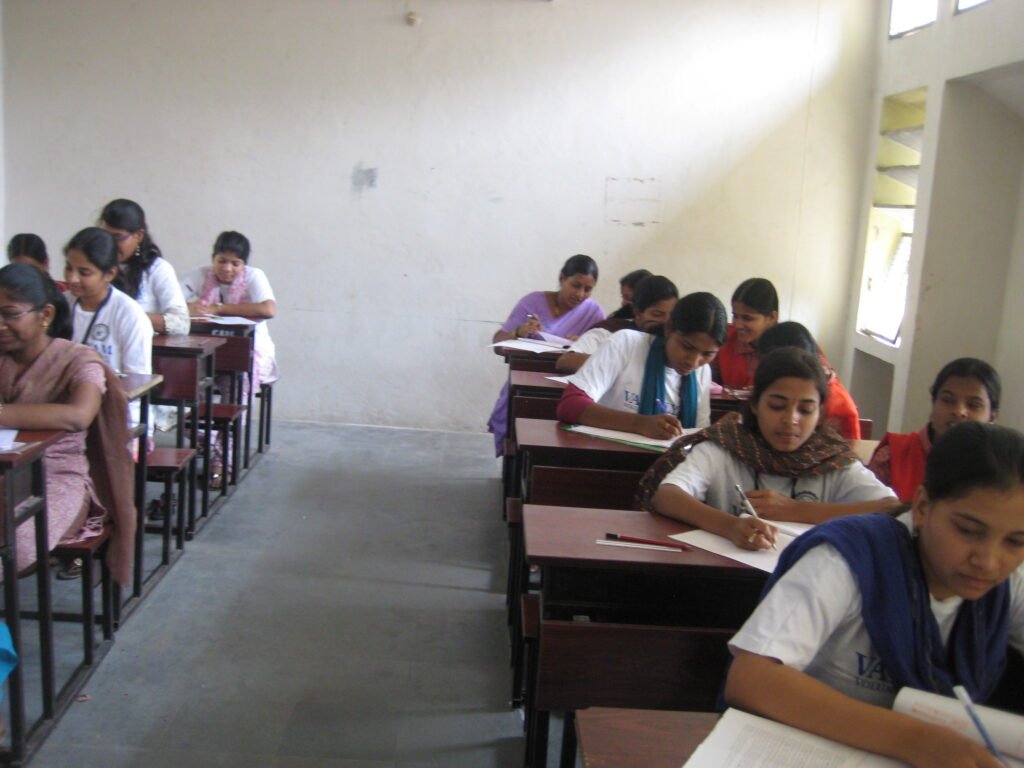
By making exam participation smooth and stress-free, the programme helps girls rediscover confidence in themselves and their abilities. Each positive exam experience reinforces the belief that challenges are obstacles to be managed, not barriers to success. Girls begin to understand that physical or learning difficulties do not reflect their intelligence or potential. This renewed self-belief fuels motivation to keep learning, try harder, and aim higher. Over time, it encourages them to continue their education with determination, pursue higher studies, and set ambitious goals for their future.
Creating Equal Opportunities for the Future
The Scribe Programme acts as a bridge to opportunities that might otherwise feel out of reach for many girls. By enabling fair access to school examinations, college assessments, and competitive tests, it ensures that no academic path is closed due to physical or learning challenges. When girls are given an equal chance today, they gain the confidence to plan for tomorrow. This support helps them pursue higher education, professional careers, and personal ambitions with dignity. Over time, the programme empowers them to become independent, self-reliant individuals who can shape their own futures with confidence and pride.